
Ն.Ս.Օ.Տ.Տ. Արամ Ա. Վեհափառ Հայրապետը, AGBU Magazine-ի վերջին թիւին մէջ անգլերէն լեզուով ստորագրած իր յօդուածին մէջ (AI: A Promise or a Threat), կը քննէ արուեստական բանականութեան դրական երեւոյթները եւ ընկերութեան կեանքի զանազան բնագաւառներէն ներս անոր բերած օգտաշատ նպաստը, իսկ միւս կողմէն՝ անոր վտանգներով լեցուն եւ հետզհետէ ծաւալող ընթացքը: Նորին Սրբութիւնը յօդուածին մէջ արուեստական բանականութիւնը դիտած է մարդաբանութեան եւ բարոյագիտութեան հայեցակէտով, յատկապէս անոր վտանգալից ազդեցութիւնը մարդ արարածի ինքնաճանաչողութեան եւ բարոյական արժէքներուն վրայ:
Յաջորդական թիւերով կը ներկայացնենք յօդուածը:
AI: A Promise or a Threat?
Ethics, issues and the future of humanity
By His Holiness Catholicos Aram I of the Great House of Cilicia
In response to a request from AGBU Magazine, which raises timely and relevant issues pertaining to artificial intelligence (AI), I would like to share with its readers my own reflections about the benefits and risks of AI.
My interest in technology goes back to early 2000, due to its growing impact on anthropology and ethics. In my book In Search of Ecumenical Vision (2000), I wrote that “We are living in an era of technological revolution. Technology is both a promise and a threat.” And, by calling for its right use, I urged that technology “Redefine and articulate itself in a way that reflects the sacredness and integrity of human life and the vital importance of ethical values…” (pp 62-64).
In my recent book In Search of Self-Understanding (2025), I addressed the increasing pace of technology in general, and the forceful surge of AI in particular, which eventually “intends to control and even to replace human intelligence.” I warned that AI is “shaping a new human being with a new self-understanding” (pp 110, 111), and I called for closely following its stunning effect on being human, created in the image and likeness of God.
My forthcoming book Building Bridges in a Divided World (2026), refers specifically to AI as “Replacing the human intellect by performing tasks, finding solutions, analyzing situations, organizing relationships, and increasing productivity and decreasing creativity.” I cautioned that the use of AI raises legal, ethical, and security concerns, and therefore, we must address issues and questions related to this rapidly evolving technology seriously and urgently.
What are the implications of AI to ethical values that are at the heart of being Christian? How can we develop critical interaction between anthropology, ethics, and AI?
These references clearly indicate that my interest and my concern regarding AI are intimately related to anthropology and ethics. What does it mean to be human in a world that is in the process of being dominated by AI? What are the implications of AI to ethical values that are at the heart of being Christian? How can we develop critical interaction between anthropology, ethics, and AI? These are pivotal questions that require comprehensive scrutiny and critical reflection.
Indeed, AI is a groundbreaking and dramatic development in technology; it is no longer science fiction but an existential reality. We are living in an AI-driven world and, most likely, heading towards an AI-dominated future. With the rise and rapid spread of artificial intelligence, history enters a new course. Tech companies promote AI in a way that implies “If you do not follow AI, you stay behind.” Last year, I spent a whole day at Silicon Valley; a small city in the U.S.A. where many believe that the future of the world is being shaped.
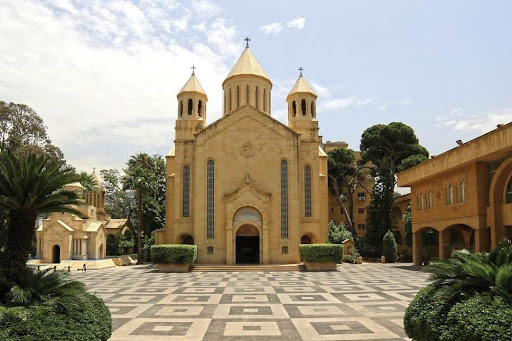
Since 1930, the Catholicosate of the Great House of Cilicia has been headquartered in Antelias, Lebanon. Photo Credit / Armenian Church Catholicosate of Cilicia
In fact, AI has become an integral and essential part of our daily life. Each day is marked by AI-related revolutionary discoveries and radical changes. Social media is full of AI news and the academic world of AI discussion. As a transformational technology, AI is equally affecting individuals, communities, cultures, nations, religions, and institutions. The pace of its development and expansion, as well as the intensification of its use are simply incredible. With the largest database, AI has the capacity to transform the whole world in all its aspects, dimensions, and manifestations, impacting our thinking, actions, relations, and above all, our self-understanding. The function of AI is so extensive and complex and its evolution so swift and smart that it is extremely difficult to keep step with it.
Because of AI’s rapid development, any discourse on the subject should start with a holistic perspective and up-to-date knowledge about its multifaceted purpose and multiform function. In my view, our approach should neither be a priori judgmental nor receptive, but, rather, objective and critical. Such a realistic perspective will raise the following fundamental question: is AI a promise or a threat? A pivotal concern indeed, which I had already raised in 2000 regarding the technology that serves as the basis and engine for AI.
(To be continued)