
ԱՆՈՒՇԱՒԱՆ ԱՐՔԵՊԻՍԿՈՊՈՍ ՆԵՐԿԱՅԱՑՈՒՑ ԱՐԱՄ Ա. ՎԵՀԱՓԱՌ ՀԱՅՐԱՊԵՏԸ
Շաբաթ, 29 Օգոստոս 2026-ին Նիւ Եորքի մէջ տեղի ունեցաւ “One World: One Humanity” («Մէկ աշխարհ՝ մէկ մարդկութիւն») միջ-կրօնական համագումարը, կազմակերպութեամբ Կրօնական Ղեկավարներու Համաշխարհային Խորհուրդին, որուն հրաւիրուած էր որպէս հիւր դասախօս Ն.Ս.Օ.Տ.Տ. Արամ Ա. Սրբազնագոյն Հայրապետը։
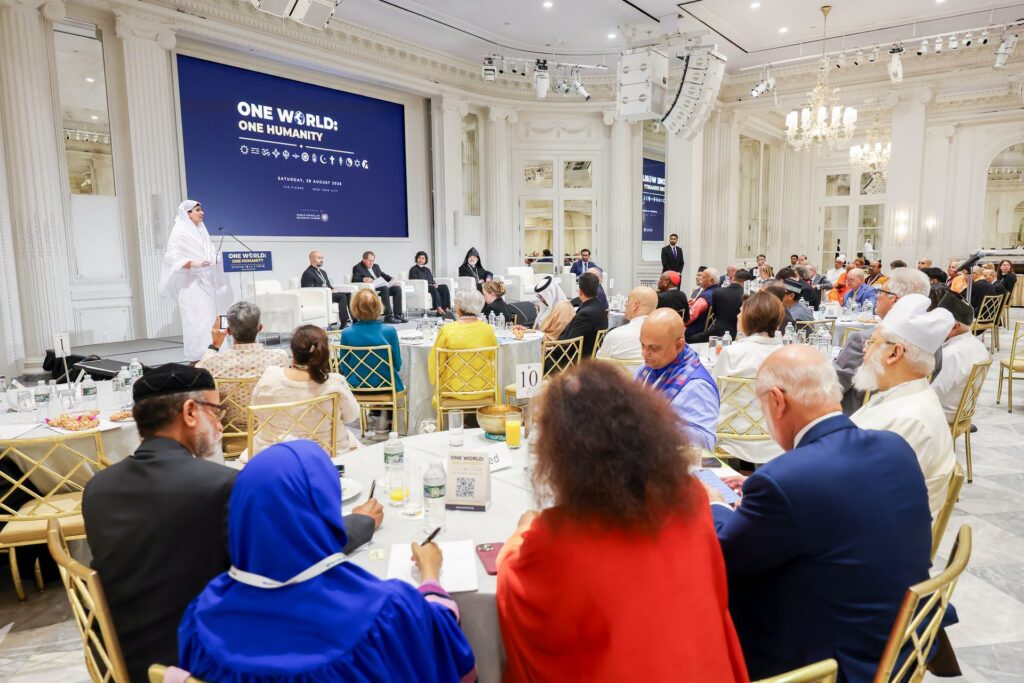
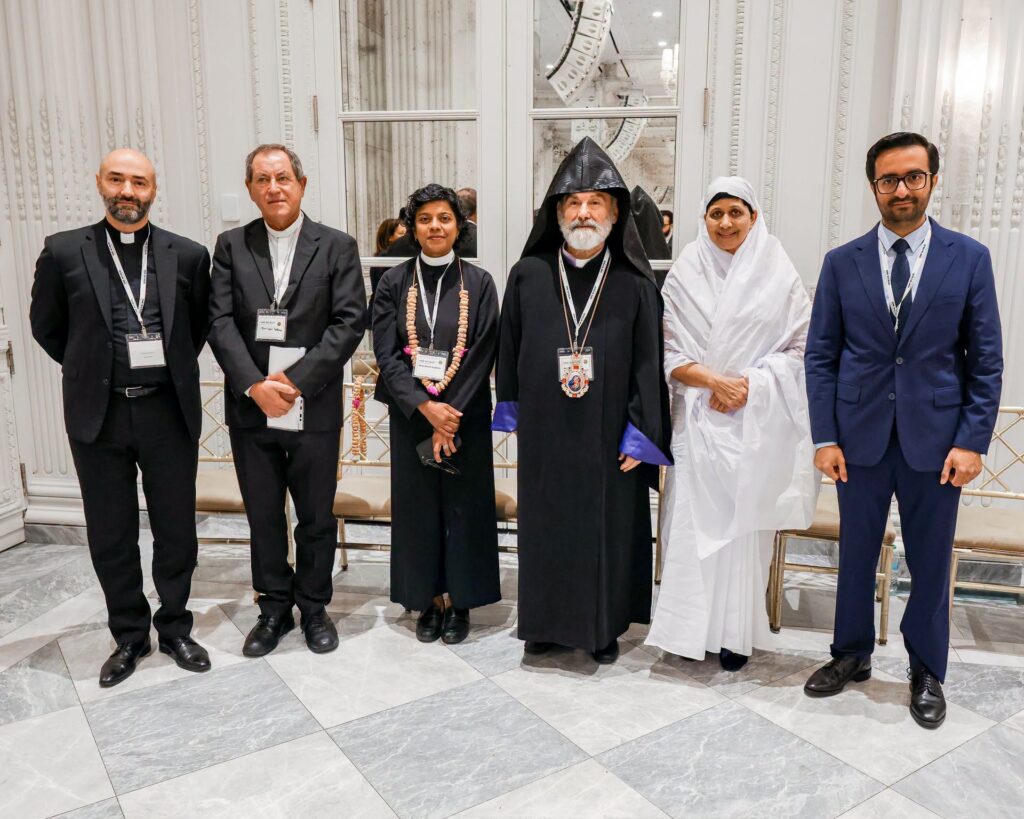
Նորին Սրբութիւնը չկարենալով մասնակցիլ այս համագումարին, իր պատգամը ղրկած էր, զոր ընթերցեց Հիւսիսային Ամերիկայի Արեւելեան Հայոց Թեմի առաջնորդ Գերաշնորհ Տ. Անուշաւան Արքեպիսկոպոս Դանիէլեան։ Նախքան հայրապետական պատգամի ընթերցումը սրբազան հայրը ըսաւ. «Կ՚ուզեմ այս պատկառելի ժողովի մասնակիցներուն հաղորդել Ն.Ս.Օ.Տ.Տ. Արամ Ա. Վեհափառ Հայրապետին ողջոյնները։ Ան իր պարգամը կ՚ուղարկէ աստուածաշնչական մայրիներու երկիր՝ Լիբանանէն, որ վերջին կէս դարուն շարունակաբար կ՚արիւնի քաղաքական եւ ռազմական հակամարտութիւններու պատճառով, բայց, փիւնիկի նման, մոխիրներէն յարութիւն կ՚առնէ խաղաղութեան եւ արդարութեան յոյսով»։
Խորհուրդի հիմնադիր դոկտ. Պաուա Ճէյն, Երեքշաբթի, 1 Սեպտեմբերին, Ազգային Առաջնորդարան այցելեց իր յատուկ շնորհակալութիւնը յայտնելու համար Նորին Սրբութեան։ Ան ջատագովը ըլլալով համաշխարհային խաղաղութեան, իր պաշտօնի բերմամբ այցելած է համարեայ բոլոր երկիրներու կրօնապետներու, ինչպէս նաեւ քաղաքական անձնաւորութեանց, համագործակցութեան եզրեր ստեղծելու համար։ Քանի մը տարի առաջ ան գտնուած ըլլալով Լիբանան, ջերմապէս հիւրընկալուած է Վեհափառ Հայրապետին կողմէ, որուն ազդեցութեան տակ ան անկեղծ յարգանք կը տածէ Հայ Եկեղեցւոյ հանդէպ առ հասարակ եւ Մեծի Տանն Կիլիկիոյ Կաթողիկոսութեան հանդէպ ի մասնաւորի։
Ստորեւ կը ներկայացնենք Արամ Ա. Վեհափառ Հայրապետին պատգամի բնագիրը.-
Dear friends,
I warmly welcome this gathering initiated and organized by my friend Dr. Bawa Jain. This is, indeed, a timely event at this critical period of human history.
We are living in perilous times, facing huge challenges and multiple crises of different nature and scope. Humanity is at a crossroads of modern history, wavering between hope and despair, advances and setbacks in multiple spheres of society life. Human dignity is at stake, peace with justice is denied to several communities, injustice in all its forms and manifestations is strongly impacting human life with far-reaching consequences.
The present situation of the world calls the religions:
First, to re-articulate the self-understanding of the human being created in the image and likeness of God, according to the teachings of the monotheistic religions. What does it mean to be human? What is the unique vocation of human beings vis-à-vis the other, the environment, and God?
Second, it calls to re-affirm the pivotal importance of the sense of responsibility, accountability, and transparency which are in constant decline in present societies dominated by the kind of trends and practices that keep far away the heavenly in human life.
Third, it calls to re-emphasize the particular role of religions, which I perceive to be of crucial importance out of my several years of experience, in the area of inter-faith dialogue, common reflection, and action.
Therefore, the religious leaders are challenged to play a pivotal role:
a) At a time when intolerance is generating inner tensions in many communities the fundamental task of religious leaders is to eradicate this evil from the fabric of society.
b) At a time when hopelessness is establishing its dominance in communities torn apart by violence and injustice, poverty and denial, the essential vocation of the religious leaders is to give the message of hope.
c) At a time when injustice is becoming an existential reality deeply affecting and disintegrating the life of societies, the cardinal task of the religious leaders is to become the messengers of peace with justice.
d) At a time when polarization is causing conflicts and creating divisions in various parts of the world, the primary mission of the religious leaders is to act as bridge-builders.
e) At a time when estrangement is replacing rapprochement and war is substituting diplomacy, the basic responsibility of the religious leaders is to call for dialogue, and mutual understanding.
In fact, broken communities, forgotten societies, marginalized people look at religions for healing and reconciliation, justice and dignity, mutual respect and acceptance. Indeed, a religion acquires its true meaning and genuine vocation when it acts on the basis of its values and teachings.
Hence, in the face of crises confronting humanity, the religious leaders should not remain sheer observers. They are urged to act together with firm commitment and a profound sense of common responsibility.
ARAM I
CATHOLICOS OF CILICIA