
Հրաւէրով Վատիկանի Կրէկորեան եւ Արեւելեան համալսարաններու տնօրէնութեան, Երեքշաբթի, 19 Մայիս 2026-ին, կէսօրուան ժամը 12:00-ին, Ն.Ս.Օ.Տ.Տ. Արամ Ա. Վեհափառ Հայրապետը դասախօսութիւն տուաւ «Միջին Արեւելքի Եկեղեցիները Դիմագրաւող Մարտահրաւէրները» նիւթին շուրջ: Նախապէս երեք առիթներով Նորին Սրբութիւնը նոյն համալսարանին մէջ հրապարակային դասախօսութիւններ տուած է:
Դասախօսութեան ներկայ էին համալսարանի դասախօսներ, դեսպաններ, հոգեւորականներ եւ Վեհափառ Կաթողիկոսին պատուիրակութեան անդամները: Նորին Սուրբ Օծութիւնը իր խօսքը սկսաւ ընդհանուր գիծերու մէջ ներկայացնելով տագնապներով լեցուն Միջին Արեւելքի ներկայ կացութիւնը եւ այդ ծիրէն ներս եկեղեցիներու դիմագրաւած դժուարութիւնները: Ապա, ան լայնօրէն անդրադարձաւ երկու կարեւոր խնդիրներու.-
ա) Քրիստոնեայ համայնքներու իրաւունքներու անտեսումը իբրեւ քաղաքացիներ իրենց ապրած երկիրներուն մէջ (բացի Լիբանանէն):
բ) Քրիստոնեաներուն արտագաղթը Միջին Արեւելքէն:
Յիշեալ երկու դժուարութիւններուն առաջքը առնելու կարելիութիւններուն ուղղութեամբ իր տեսակէտները պարզեց Վեհափառ Հայրապետը: Ապա, ան շեշտեց, թէ շրջանէն ներս քրիստոնէութիւնը պէտք է ունենայ յստակ ռազմավարութիւն, որ ըլլայ իրատես ու գործնական՝ համապատասխան աշխարհաքաղաքական ներկայ պայմաններու հոլովոյթին: Այս ուղղութեամբ, Հայրապետը եօթը կէտեր ընդգծեց՝ իւրաքանչիւրին պարագային անհրաժեշտ բացատրութիւններ տալով.- ա) ամուր կապուածութիւն ապրած երկիրներուն, բ) համայնքային կեանքի վերակազմակերպում ու վերակենսաւորում, գ) կրօնական ինքնութեան եւ ազգային ինքնութեան փոխ-կապակցութիւն, դ) փոքրամասնութիւն ըլլալու հասկացողութեան յստակացում, ե) քրիստոնեայ-իսլամ երկխօսութենէ անդին գործակցութիւն, զ) սոսկ դիտողի կրաւորական վիճակէն՝ գործողի դերակատարութիւն եւ է) ինքնակղզիացումէ ու ինքնապաշտպանութենէ՝ մասնակցութիւն:
Դասախօսութեան երկրորդ բաժինին մէջ, Արամ Ա. Կաթողիկոս խօսեցաւ եկեղեցիներու միջեւ ամուր գործակցութիւն յառաջացնելու, հասարակաց գետիններ ճշդելու եւ եկեղեցի-ժողովուրդ յարաբերութիւնը ծաւալելու կարելիութիւններու մասին: Այս ուղղութեամբ ան Զատկուան միացեալ թուական մը ճշդելու անհրաժեշտութիւնը շեշտեց: Ան նաեւ ընդգծեց եկեղեցիներու կրթական առաքելութիւնը վերակազմակերպելու հրամայականը, ինչպէս նաեւ մատնանշեց որոշ կարելիութիւններ, միջ-եկեղեցական գործակցութիւնը աւելի ամրապնդելու գծով:
Իր դասախօսութեան աւարտին, Արամ Ա. Վեհափառ Հայրապետը կոչ ուղղեց Միջին Արեւելքի եկեղեցիներուն՝ իրենց գործակցութիւնը աւելի ծաւալելու եւ եկեղեցի-ժողովուրդի յարաբերութիւնը ազդու միջոցներով նոր հունաւորում տալու։ Միջին Արեւելքի պետական պատասխանատուներուն՝ իրենց երկիրներու կեանքին աւելի գործօն մասնակցութիւն բերելու կարելիութիւնը տալու իրենց քրիստոնեայ քաղաքացիներուն: Արեւմտեան երկիրներուն՝ իրենց զօրակցութիւնը գործնապէս արտայայտելու շրջանի եկեղեցիներուն նկատմամբ: Եկեղեցիներու սփիւռքներուն՝ իրենց հաւատարմութիւնը գործնական միջոցներով ցոյց տալու թէ՛ իրենց մայր եկեղեցիներուն եւ թէ՛ իրենց հայրենիքներուն նկատմամբ:
Դասախօսութենէն ետք, համալսարանի տնօրէնութիւնը ճաշկերոյթ մը սարքեց ի պատիւ Վեհափառ Հայրապետին: Ճաշկերոյթին ներկայ էին Կրէկորեան եւ Արեւելեան համալսարանի դասախօսները:
— — —
“THE CHURCHES OF THE MIDDLE EAST ARE WAVERING BETWEEN UNCERTAINTY, DESPAIR, AND HOPE”
H.H. CATHOLICOS ARAM I
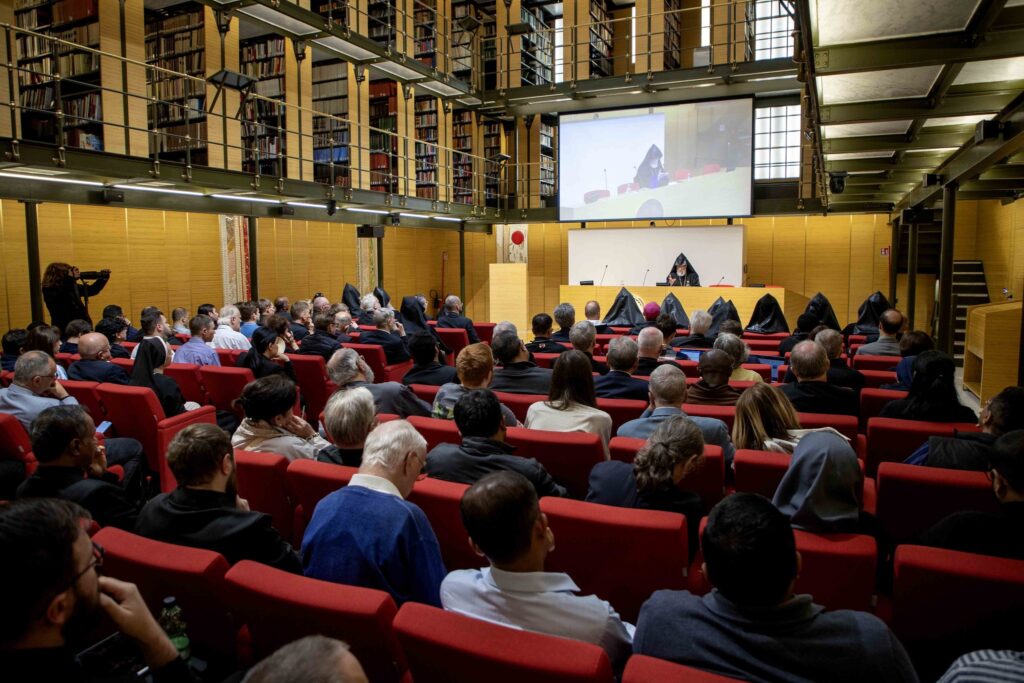
On May 19, 2026, in a public lecture at a Pontifical Oriental Institute in Rome, His Holiness Catholicos Aram I said that “actually Christian communities in the Middle East are more and more becoming shrinking minorities. An objective assessment of the present situation clearly indicates that the very future of Christianity is at stake in its birthplace.”
Challenging the deep-seated conviction of certain Western circles that Christians are persecuted in the Middle East, however, he said that “in some countries of the region, Christians are sometimes subject to various forms of discriminatory treatment, related to the surge of Muslim fundamentalism”.
Speaking about the question of citizenship, Aram I reminded that “Christians aspire to see the values of equal citizenship continuously strengthened in practice, so that all citizens, – regardless of religious affiliation – may fully enjoy the same rights, responsibilities, opportunities, and sense of belonging within their societies”, then he continued “while many states in the region draw inspiration from Islamic traditions and values, they also possess civic and constitutional frameworks that can ensure inclusivity and equal participation. Within this context, constructive arrangements can be developed to safeguard the religious, educational, cultural, and legal particularities of Christian communities, while strengthening national unity and social cohesion”.
Catholicos Aram I considered migration of Christians “an existential crisis”; he said that “every crisis, whether economic, security or political in nature, has always resulted in a huge migration of Christians and consequently a sharp decline in the Christian presence”.
For His Holiness Aram I, “a common strategy” with “a common vision” for Christianity in the Middle East is a must. Within this perspective, he identified seven areas of reflection and action. These are: 1) Strong attachment to the homeland. 2) Rebuilding community life. 3) Interaction between religious and national identities. 4) Getting rid of the minority-majority complex. 5) Beyond dialogue to engagement. 6) From being observers to becoming actors. 7) From self-protective concern to proactive involvement.
Emphasizing the common celebration of Easter as an urgent necessity to give visible expression to Christian unity, and education and diakonia as two vital dimensions of the church’s missionary engagement, he said, as a conclusion of his lecture, that it is expected that.-
“– Beyond dialogue, encounter, and collaboration, Christians and Muslims as co-citizens, sharing the same joy and pain, achievements and crises, seriously and responsibly commit themselves to nation-building.
– Political authorities challenge the prevailing perceptions in the West that Christians in the Middle East are “marginalized” and “threatened” by providing Christians with broader space and opportunities. Such a bold step will certainly strengthen Christians’ attachment to their homeland.
– Western Christianity looks at Middle Eastern Christianity not as remnants of the past, but as organized and active communities and bridge–builders between East and West, as well as among the monotheistic religions.
–The world-wide diaspora communities of Middle Eastern churches articulate more tangibly their responsibility towards their homelands and mother churches”.