
Ս. ՊԵՏՐՈՍ ԱՌԱՔԵԱԼ
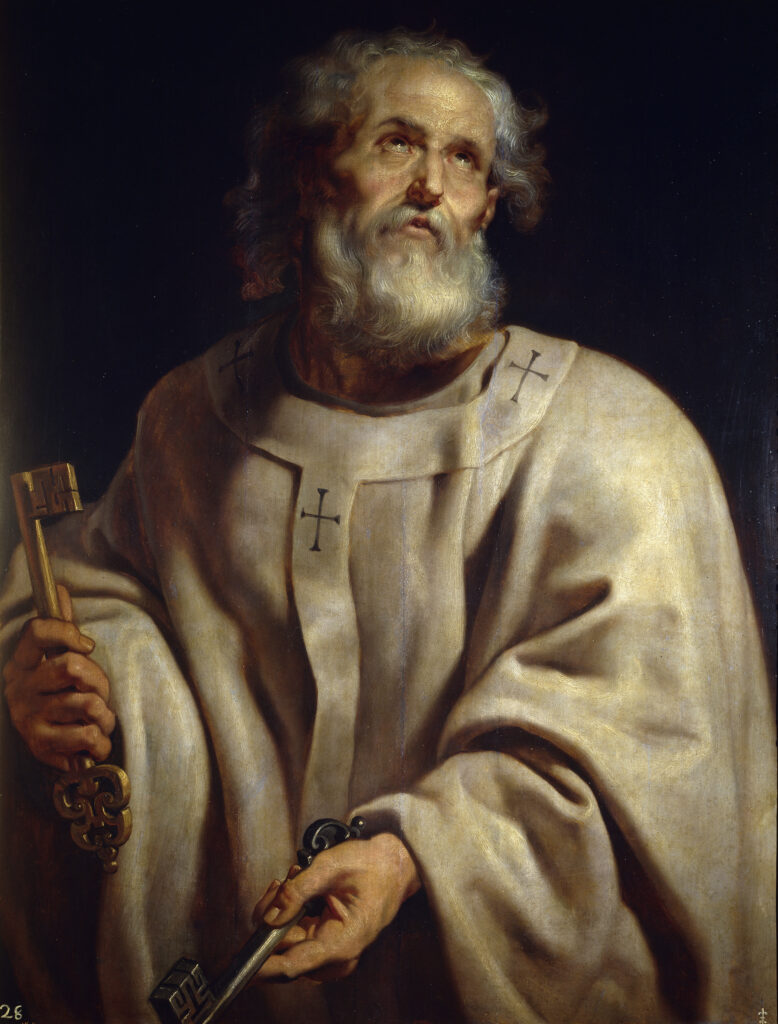
«Քեզի կ’ըսեմ թէ ժայռ ես դուն, եւ այդ ժայռին վրայ պիտի շինեմ իմ եկեղեցիս» (Մտ 16.18):
Նախկին անունով Շմաւոն կամ Սիմոն: Յիսուս զինք կոչեց Կեփաս (Պետրոս), որ կը նշանակէ ժայռ (վէմ): Ան Բեթսայիդա քաղաքէն էր, որդին՝ Յովնանի եւ եղբայրը՝ Անդրէաս առաքեալին:
Ս. Պետրոս, նախքան Յիսուսի հանդիպիլը կը զբաղէր ձկնորսութեամբ: Ան ընդառաջելով Քրիստոսի հրաւէրին, ձգեց ամէն ինչ, հետեւեցաւ Տիրոջ եւ դարձաւ «մարդու որսորդ» (Մտ 4.19): Ան որպէս Քրիստոսի աշակերտը եւ առաքեալը, զանազան վայրերու մէջ քարոզեց Քրիստոսի Աւետարանը եւ բժշկեց հիւանդները: Այլ խօսքով՝ իր կեանքը ամբողջութեամբ նուիրեց մարդկութեան, հոգիներու փրկութեան առաքելութեան, դառնալով Քրիստոսի Աւետարանի վկան:
Առաքեալը, Սուրբ Հոգիի առաջնորդութեամբ, գրեց երկու նամակներ: Առաջինը՝ Ներոն կայսեր հալածանքներու ընթացքին, որուն գլխաւոր նպատակն էր քրիստոնեաները քաջալերել եւ Քրիստոսի կեանքի օրինակով յոյս ներշնչել անոնց: Երկրորդը՝ պայքարիլ կեղծ ուսուցողներուն եւ յատկապէս անոնց ուսուցումներէն բխած անբարոյականութեան դէմ:
Այդ ժամանակաշրջանին, Հռոմ կը գտնուէր Սիմոն մոգը (կախարդ), որ Ներոն կայսեր կողմէ յարգուած անձ մըն էր եւ ինքզինք իբրեւ Քրիստոս կը ներկայացնէր: Այս պատճառով Ս. Պետրոս եւ Ս. Պօղոս առաքեալներ աստուածային զօրութեամբ կը նախատեն զայն Կայսեր ատեանին առջեւ, որուն իբրեւ հետեւանք, մոգը չարաչար հոգին կ’աւանդէ: Ներոն տեսնելով պատահածը, մանաւանդ պալատականներէն ոմանց հաւատքն ու դարձը դէպի քրիստոնէութիւն, զայրացած կը հրամայէ սպաննել սուրբ առաքեալները, 66 թուականին:
Ս. Պետրոս ինքզինք արժանի չի նկատեր Տիրոջ նման խաչուելու, ուստի գլխիվայր կը խաչուի:
Սուրբերուն յիշատակը անմահացնելու նպատակաւ իրենց անունով փառահեղ եկեղեցիներ կը կառուցուին, որոնց մէկ մասին մէջ կը տեղադրուին սուրբերուն մասունքները:
Արդարեւ, մեզմէ կը պահանջուի անսալ Առաքեալի առաջին նամակին մէջ մեզի ուղղուած կոչին՝ «Մօտեցէք անոր՝ Քրիստոսի, որովհետեւ Ի՛նքն է այն կենդանի վէմը, որ թէպէտ մարդոցմէ մերժուած, բայց Աստուծմէ ընտրուած պատուական վէմն է» (Ա.Պտ 2.4):
Ս. ՊՕՂՕՍ ԱՌԱՔԵԱԼ
Ս. Պօղոս առաքեալ կամ Պաւղոս (որ կը նշանակէ «փոքր»), երբեմն կոչուած է Սօղոս կամ Սաւղոս (որ նոյնպէս «փոքր» կը նշանակէ). Բենիամինի ցեղէն էր, ծնած (Կիլիկիոյ) Տարսոն քաղաքը, նաեւ Հռոմի քաղաքացի: Ան իր բարձրագույն ուսումը ստացած է իր ծննդավայրի համալսարանէն ապա երթալով Երուսաղէմ, աշակերտած է յայտնի աստուածաբան Գամաղիէլ անուն օրէնքի ուսուցիչ վարդապետի մօտ. (Գրծ 5.34): Դարձած էր կծու, մոլեռանդ հրեայ մը, փաստելու համար իր կրօնքին հանդէպ ունեցած նախանձախնդրութիւնը եւ հաւատարմութիւնը՝ սկսած էր ձերբակալել բազմաթիւ անմեղ քրիստոնեաներ: Սօղոս երբ Դամասկոս կ’երթար քրիստոնեաները հալածելու, ճամբու ընթացքին յանկարծ զօրաւոր լոյս մը կը փայլատակէ եւ զինք գետին կը ձգէ, ապա ձայն մը կը լսուի որ կ’ըսէ. «Ես եմ այն Յիսուսը, որ դուն կը հալածես: Հիմա ե՛լ, ոտքի՛ կանգնէ, որովհետեւ քեզի երեւցայ՝ որպէսզի քեզ ինծի օգնական դարձնեմ: Քեզ պիտի ազատեմ այս ժողովուրդին ձեռքէն, ինչպէս նաեւ հեթանոսներէն, որոնց մէջ պիտի ղրկեմ քեզ որպէսզի անոնց աչքերը բանաս, զանոնք խաւարէն դէպի լոյս եւ Սատանային իշխանութենէն դէպի Աստուած դարձնես» (Գրծ 26.16-18):
Այս դէպքէն ետք Սօղոս կը դառնայ Քրիստոսի 13-րդ Առաքեալը, քրիստոնէական հաւատքի ախոյեաններէն եւ եկեղեցւոյ պանծալի դէմքերէն:
Իր կոչումը երկինքէն ստացած Ս. Պօղոս առաքեալ, կը քարոզէ աւելի քան վաթսուն եւ հինգ քաղաքներու մէջ: Պօղոս Առաքեալ իր կեանքի ընթացքին, աննպաստ պայմաններու մէջ աւետարանը կը քարոզէ, փոքր Ասիոյ եւ եւրոպական ցամաքամասերու վրայ: Հազարաւոր հոգիներ կը փրկուին, եկեղեցիներ կը հիմնուին, եկեղեցականներ կը ձեռնադրուին եւ իր կողմէ 14 առաքելական նամակներ կը գրուին, այս բոլորը Աստուծոյ զօրութեամբ եւ շնորհիւ՝ կը պարտինք Պօղոս Առաքեալին: Ան որպէս քրիստոնէութեան տարածիչ զանազան չաչարանքներու ենթարկուելէ ետք, հռոմայեցի ըլլալուն համար խաչի անարգ մահուան չի դատապարտուիր, այլ՝ սուրով կը գլխատուի Հռոմի մէջ:
Անոր սրբազան մասունքները կը գտնուին Հռոմի՝ եւ իր անուամբ կառուցուած եկեղեցիներու մէջ:
Հայ եկեղեցին Ս. Պետրոս եւ Ս. Պօղոս Առաքեալներուն յիշատակը միասին կը նշեն տարին երկու անգամ:
The Apostles St. Peter and St. Paul
St. Peter the Apostle
“I tell you that you are Peter, and on this rock, I will build my Church.” (Matthew 16:18)
His former name was Simon (Shmavon). Jesus called him Cephas (Peter), which means “rock.” He was from the city of Bethsaida, the son of Jonah, and the brother of the Apostle Andrew.
Before meeting Jesus, St. Peter worked as a fisherman. Responding to Christ’s invitation, he left everything, followed the Lord, and became a “fisher of men.” (Matthew 4:19) As a disciple and apostle of Christ, he preached the Gospel in various places and healed the sick. In other words, he devoted his entire life to humanity and to the mission of saving souls, becoming a witness to Christ’s Gospel.
Guided by the Holy Spirit, the Apostle wrote two letters. The first was written during the persecutions under Emperor Nero, with the main aim of encouraging Christians and inspiring them with hope through the example of Christ’s life. The second was written to combat false teachers, and especially the immorality that flowed from their teachings.
At that time in Rome was Simon the magician (sorcerer), a man respected by Emperor Nero, who presented himself as Christ. For this reason, the Apostles Peter and Paul, by divine power, rebuked him before the Emperor’s court; as a result, the magician died miserably. Nero, seeing what had happened—especially the faith and conversion of some courtiers to Christianity—became furious and ordered the holy apostles to be killed, in the year 66.
St. Peter did not consider himself worthy to be crucified in the same manner as the Lord; therefore, he was crucified upside down.
In order to immortalize the memory of the saints, magnificent churches were built in their names, and in some of them the saints’ relics were placed.
Indeed, we are called to heed the invitation addressed to us in the Apostle’s first letter: “Come to Him—Christ—for He is the living stone, though rejected by people, yet chosen by God and precious.” (1 Peter 2:4)
St. Paul the Apostle
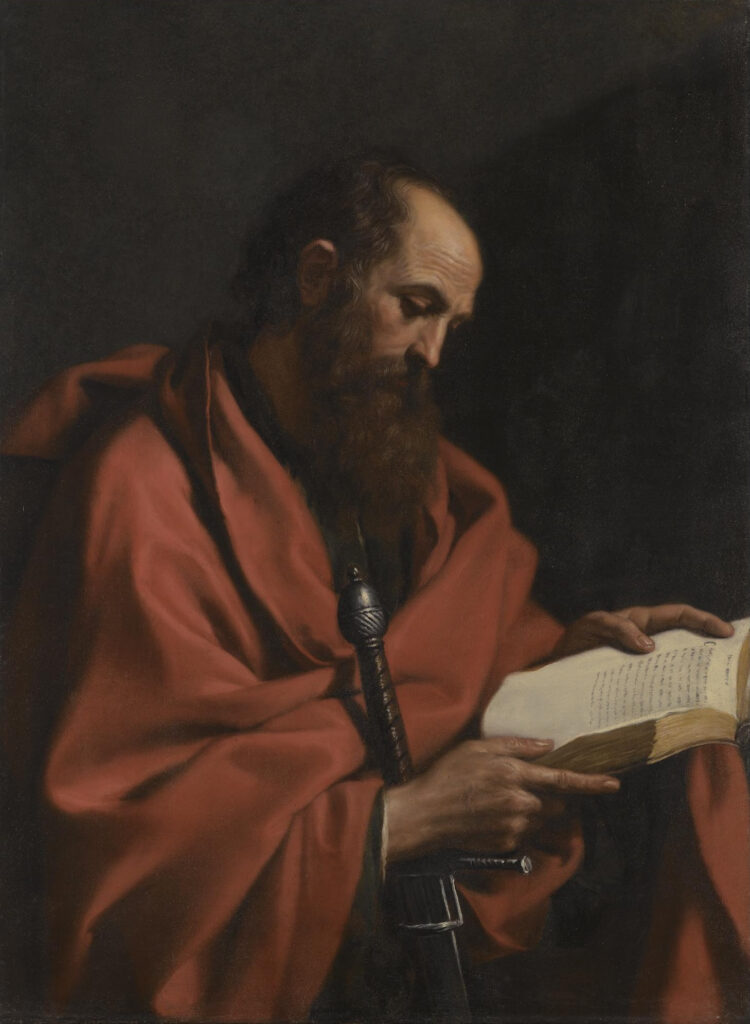
St. Paul the Apostle (Pavlos, meaning “small”), also sometimes called Saul (Soghos/Savghos, likewise meaning “small”), was from the tribe of Benjamin, born in the city of Tarsus (in Cilicia), and was also a Roman citizen. He received his higher education in his birthplace, then went to Jerusalem and studied under the famous teacher of the Law, Gamaliel. (Acts 5:34)
He became a harsh and fanatical Jew; to prove his zeal and loyalty to his religion, he began arresting many innocent Christians. When Saul was going to Damascus to persecute Christians, suddenly a powerful light flashed, threw him to the ground, and he heard a voice saying: “I am Jesus, whom you are persecuting. Now get up and stand on your feet, for I have appeared to you to appoint you as a servant and witness… I will rescue you from this people and from the Gentiles, to whom I am sending you, to open their eyes, so that they may turn from darkness to light and from the power of Satan to God.” (Acts 26:16–18)
After this event, Saul became the 13th Apostle of Christ, one of the champions of the Christian faith, and one of the glorious figures of the Church.
Having received his calling from heaven, St. Paul preached in more than sixty-five cities. Throughout his life, under unfavorable conditions, he preached the Gospel across Asia Minor and parts of the European continent. Thousands of souls were saved, churches were founded, clergy were ordained, and fourteen apostolic letters were written by him—all by God’s power and grace; for all this we are indebted to the Apostle Paul.
After enduring many sufferings as a preacher of Christianity, because he was a Roman citizen he was not condemned to the humiliating death of crucifixion but was beheaded by the sword in Rome. His sacred relics are in Rome, in the churches built in his name.
The Armenian Church commemorates the Apostles St. Peter and St. Paul together twice each year.
Compiled by Archpriest Datev Mikaelian