
Քրիստոնէական դաստիարակութիւնը, հայակերտման եւ հայապահպանման այն ազդակներէն է, որուն արժանացանք Տիրոջ բարեհաճ կամքով: Քրիստոնէութեան տարածման մէջ մեծ էր Ս. Աբգար թագաւորին դերը: Աբգար թագաւոր աշխարհի առաջին թագաւորն էր, որ ընդունեց քրիստոնէութիւնը: Այսպիսով, քրիստոնէութիւնը տարածուեցաւ հայոց աշխարհի եւ արքունական պալատէն ներս եւ հայ ազնուական ընտանիքները թօթափելով հեթանոսական ապականած փոշին կը սկսին բարեկարգուիլ եւ կերպարանափոխուիլ Քրիստոնէական բարերար լոյսի ներգործութեամբ:
Աբգար թագաւորին մասին մեզի տեղեկութիւն կը փոխանցէ Պատմահայր Մովսէս Խորէնացին:
Պատմական աղբիւրներու համաձայն, ժողովուրդը Աբգար թագաւորը «Աւագ այր» անուանած Է, իր հեզ եւ իմաստուն նկարագրին համար:
Հայոց պատմութեան մէջ Աբգար թագաւոր իր ուրոյն եւ նշանակալից տեղը ունի:
Անոր հեղինակութիւնը տարածուած էր Եդեսիա քաղաքի կառուցումով, ուր Մծբինէն տեղափոխուած էին, իր արքունիքն ու դիւանատունը:
Աբգարի թագաւորութեան երկրորդ տարին, Հռոմէական կայսր՝ Օգոստոսը կը հրամայէ աշխարհագիր կատարել կայսրութեան հպատակ երկիրներու մէջ, որոնք հարկատու էին իրեն: Այդ օրերուն կայսերական գործակալները կու գան Հայաստան եւ մեհեաններուն մէջ կը տեղադրեն կայսեր պատկերն ու հարկատու կը դարձնեն իրենց:
Ճիշդ նոյն օրերուն, Բեթլեհէմ քաղաքին մէջ կը ծնի Յիսուս:
Տարիներ անց, Աբգար թագաւորին կողմէ պատուիրակութիւն մը կ’այցելէ կայսեր հազարապետին, հոն կը լսեն Քրիստոսի սքանչելագործութիւններու մասին եւ կ’այցելեն Երուսաղէմ, կը տեսնեն Յիսուսի կատարած գործերը եւ հրաշքները՝ կը վերադառնան Եդեսիա ու կը պատմեն Աբգար թագաւորին:
Աբգար թագաւոր, որ եօթը տարիներէ ի վեր կը տառապէր անբուժելի մաշկային հիւանդութենէ, աղերսագիր կ’ուղարկէ Քրիստոսի՝ խնդրելով, որ Ան գայ եւ բժշկէ զինք:
Փրկիչը կը պատասխանէ. «Երանի անոր որ առանց տեսնելու կը հաւատայ, որովհետեւ իմ մասիս գրուած է, թէ անոնք որոնք զիս կը տեսնեն, ինծի չեն հաւատար: Իսկ ինչ որ դուն ինծի գրեցիր, քովդ գալու համար, ես այստեղ պէտք է մնամ եւ կատարեմ այն բոլորը, որոնց համար ղրկուած եմ: Երբ այս բոլորը կատարեմ, պիտի համբառնամ անոր մօտ որ զիս ղրկեց, համբառնալես ետք քեզի կը ղրկեմ աշակերտներէս մին, որ քեզ բժշկէ եւ կեանք շնորհէ քեզի եւ քեզի հետ եղողներուն»:
Աւանդութեան համաձայն, Աբգարի սուրհանդակ Անանը կը հասնի Երուսաղէմ եւ կը տեսնէ Փիլիպպոսը եւ աղաչելով կ’ըսէ. «Տէ՛ր, կ’ուզենք Յիսուսը տեսնել»: Յիսուս կը պատասխանէ. «Ահա Մարդու Որդիին փառաւորման ժամը հասաւ» (Յհ 12.21-23):
Քրիստոսի համբարձումէն ետք Թադէոս առաքեալ կ’երթայ Եդեսիա, Քրիստոսի խոստումը կը կատարէ եւ Աբգար թագաւորը բժշկելէ ետք, իսկոյն կը սկսի Աւետարանի քարոզութեան:
Ապա Ս. Թադէոս առաքեալ Ադդէ անունով բարեպաշտ մը եպիսկոպոս կը ձեռնադրէ եւ կ’ուղղուի Աբգարի քեռորդի Սանատրուկի մօտ:
Աբգար թագաւոր կը համարուի Քրիստոսի հաւատացող նախավկայ անդրանիկ թագաւոր: Ան իր սրբակենցաղ կեանքով օրինակ կը հանդիսանայ յօգուտ քրիստոնէութեան տարածման: Աբգար 38 տարի թագաւորելէ ետք կը մահանայ:
Ս. Աբգար թագաւորի խնկելի յիշատակը կը տօնուի Դեկտեմբեր ամսու երկրորդ կիսուն:
ST. ABGAR THE PROTOMARTYR
AND OUR FIRST KING TO BELIEVE
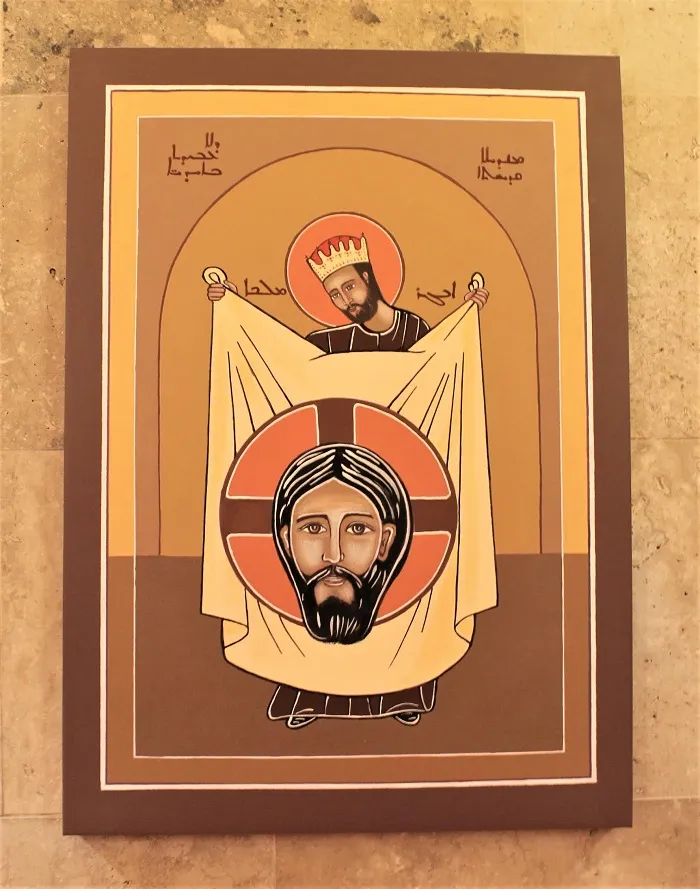
Christian upbringing is one of the foundational forces of Armenian nation-building and Armenian preservation, a blessing we have received by the Lord’s gracious will. In the spread of Christianity, the role of King St. Abgar was great. King Abgar was the first king in the world to accept Christianity. Thus, Christianity spread throughout the Armenian world and within the royal palace, and the Armenian noble families—shaking off the corrupt dust of paganism—began to be renewed and transformed by the beneficial light of Christianity.
Information about King Abgar is conveyed to us by the Father of History, Movses Khorenatsi. According to historical sources, the people called King Abgar “the Great Man” because of his gentle and wise character.
In Armenian history, King Abgar holds a distinct and significant place. His authority spread further with the building of the city of Edessa, to which his royal court and chancery were transferred from Nisibis.
In the second year of Abgar’s reign, the Roman Emperor Augustus ordered a census to be carried out in the empire’s subject lands that paid tribute to him. In those days, imperial agents came to Armenia, placed the emperor’s image in the pagan temples, and made the people pay tributes to him.
At that very time, Jesus was born in the city of Bethlehem.
Years later, a delegation sent by King Abgar visited the Emperor’s commander; there they heard about Christ’s miracle-working, then went to Jerusalem, saw the works and miracles Jesus performed, and returned to Edessa to report to King Abgar.
King Abgar, who for seven years had been suffering from an incurable skin disease, sent a petitionary letter to Christ, asking Him to come and heal him.
The Savior replied:
“Blessed is he who believes without seeing, for it is written about Me that those who see Me will not believe in Me. And regarding what you wrote to Me, asking that I come to you: I must remain here and accomplish all for which I was sent. When I have accomplished all these things, I will ascend to Him who sent Me, and after My ascension I will send to you one of My disciples, who will heal you and grant life to you and to those with you.”
According to tradition, Abgar’s messenger Anan reached Jerusalem, saw Philip, and pleaded, saying, “Lord, we wish to see Jesus.” Jesus answered, “The hour has come for the Son of Man to be glorified” (John 12:21–23).
After Christ’s Ascension, the Apostle Thaddeus went to Edessa, fulfilled Christ’s promise, and after healing King Abgar, immediately began preaching the Gospel.
Then the Apostle St. Thaddeus ordained a pious man named Addaeus as bishop and set out toward Sanatruk, Abgar’s nephew.
King Abgar is regarded as the protomartyr who believed in Christ and as our first believing king. By his holy way of life, he became an example that served the spread of Christianity. After reigning for 38 years, Abgar died.
The venerable memory of King St. Abgar is celebrated in the second half of the month of December.
Compiled by:
Archpriest Rev. Fr. Datev Mikaelian