
Ս. Վահան Գողթնացի, որդի Գողթնեաց իշխան Խոսրով նախարարին: 707 թուին արաբական կոտորածներու ժամանակ Կաշմ ոստիկանի հրամանով չորս տարեկանին այլ հայ մանուկներու հետ կը տարագրուի: Դամասկոսի մէջ կը ստանայ Իսլամական կրթութիւն եւ հաւատք: Անունը «Վահան»ի փոխարէն «Վահապ»ի կը փոխուի եւ ուսման մէջ յառաջանալով ամիրայապետի արքունիքին մէջ կը պաշտօնավարէ իբրեւ դիւանապետ: 719-թուականին, Յովհաննէս Օձնեցի կաթողիկոս այցելելով Էօմէր ամիրայապետին կը խնդրէ որ Վահապը հետը վերադարձնէ հայրենիք: Էօմէր կը համաձայնի, սակայն պայման կը դնէ՝ իր գաւառը այցելելէ ետք կրկին վերադառնայ իր պաշտօնին: Վահապ չէր մոռցած իր ծագումը եւ չէր նուազած սէրը իր հայրենիքին նկատմամբ: Երկուքով կը վերադառնան Հայաստան, հազիւ տարի մը ետք, Էօմէր կը մեռնի, ուստի Վահապ պատեհ կը նկատէ իր խոստումէն պարտազերծ գտնուիլ եւ չվերադառնալ Դամասկոս: Ան կ’ամուսնանայ Սիւնեաց Բաբգէն նախարարին աղջկան հետ:
Դամասկոս արքունիքին մէջ գտնուելու անհրաժեշտութեան պատճառաւ եւ իր բացակայութիւնը զգացուելով կը հետաքրքրուին իրմով եւ կ’իմանան թէ քրիստոնէութեան դարձած է: Վահան խնդրին վտանգաւոր ըլլալը նկատելով, կինը իր ծնողքին յանձնելով կը փախչի զանազան վայրեր, վերջապէս Ս. Էջմիածին հաստատուելով, շրջան մը հոն աղքատի կերպարանքով ծպտուած կը մնայ, շուրջ մէկ ու կէս տարի ալ միայնակ կ’ապրի, բայց կը նկատէ թէ աստանդական կեանքը փորձանք է իրեն եւ զինք պահողներուն, կը վճռէ երթալ ամիրայապետին մօտ եւ ինքզինք արդարացնել: Երկար ճամբորդութենէ ետք կը հասնի Ռսաֆէ, ուր պատահաբար կը գտնուէր Հիշամ ամիրայապետը: Խնդրագիր մը կը ներկայացնէ անոր, որով կ’ընդունուի անոր մօտ, զոր կոչ կ’ուղղէ իրեն վերստին իսլամութեան դառնալու, բայց Վահան կը մերժէ, որուն հետեւանքով կը բանտարկուի, տանջանքի կ’ենթարկուի եւ կը գլխատուի Աւագ երկուշաբթի, 18 Մարտ 737 թուականին: Ան կը թաղուի քաղաքի քրիստոնեաներուն կողմէ, յատուկ վկայարան մըն ալ կը կանգնեցուի անոր շիրիմին վրայ: Վահանի քրոջ կողմէ անոր յիշատակին նուիրուած շարական մը հասած է մեզի, (Զարմանալի է) ստեղի, որ կ’երգուի Սուրբին յիշատակի օրը:
SAINT VAHAN OF GOGHTN
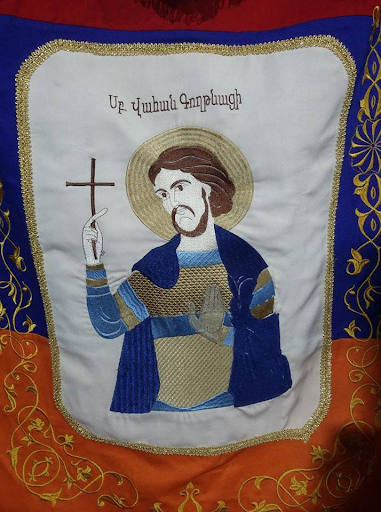
Saint Vahan of Goghtn, son of Prince Khosrov, the nakharar (noble lord) of Goghtn. In the year 707, during the Arab massacres, by order of Arab Governor Kashm, he was exiled at the age of four together with other Armenian children. In Damascus he received an Islamic education and faith. His name was changed from “Vahan” to “Vahab,” and, advancing in his studies, he served in the court of the amir as a divan secretary (chancellor).
In 719, Catholicos Hovhannes Odznetsi, visiting Amir Omar, asked that Vahab be returned with him to the homeland. Omar agreed, but set a condition: after visiting his district, he must return to his post. Vahab had not forgotten his origins, and his love for his homeland had not diminished. The two returned to Armenia. Barely a year later, Omar died; therefore, Vahab considered it an opportune time to be released from his promise and not return to Damascus. He married the daughter of Prince Papgen, the nakharar of Syunik.
Because his presence was required at the Damascus court, and his absence was noticed, they began to inquire about him and learned that he had converted to Christianity. Realizing the danger of the situation, Vahan entrusted his wife to her parents and fled to various places. Finally, settling in Holy Etchmiadzin, he remained there for a time disguised as a poor man; for about a year and a half he lived alone. But he realized that a fugitive life was a peril both for him and for those sheltering him, and he decided to go to the Amir and justify himself.
After a long journey he reached Rsafe, where, by chance, the Amir Hisham was staying. He presented a petition to him and was admitted into his presence. The Amir called on him once again to return to Islam, but Vahan refused. As a result, he was imprisoned, subjected to torture, and beheaded on Holy Monday, March 18, 737. He was buried by the Christians of the city, and a special martyrium was erected over his tomb. A hymn dedicated to his memory by Vahan’s sister has come down to us— (“It is wondrous”)—a sticheron that is sung on the saint’s feast day.
Prepared by:
Rev. Fr. Datev Mikaelian